
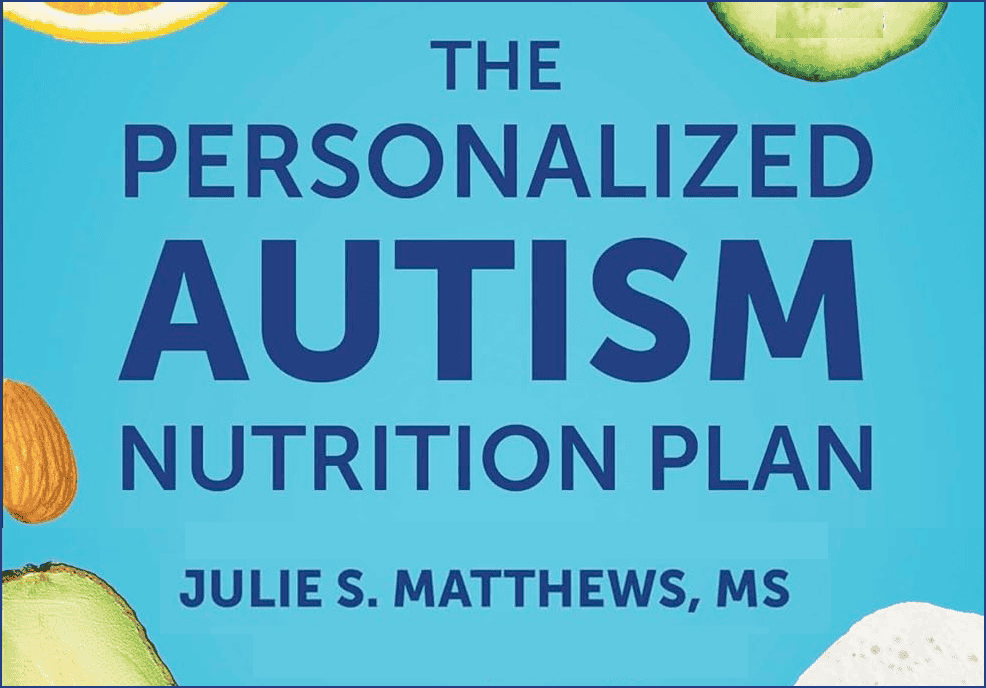
Personalized Nutrition and Therapeutic Diets and for Autism and ADHD!
1 in 31 children have autism • 1 in 6 have ADHD
Diet and Nutrition Can Help
Because the body and brain are connected, you can improve or eliminate symptoms of autism and ADHD by giving special attention to the food and nutrition children receive.
Nourishing Hope is about using scientific research, clinical knowledge, and practical insight to help personalize and apply the best nutrition plan for each child.
Improving nutrition is advantageous at any age or diagnosis. Addressing nutrition and food choices supports early intervention strategies, helping you make the most out of learning and behavioral therapies. It improves brain development, language, anxiety, mood, attention, hyperactivity, sensory issues, sleep, digestive symptoms, and even picky eating.
Learn more about how personalized nutrition and therapeutic diets can help you. We have kid-friendly recipes, science-backed articles, and step-by-step programs to guide you.
Explore Nutrition by Health Interest
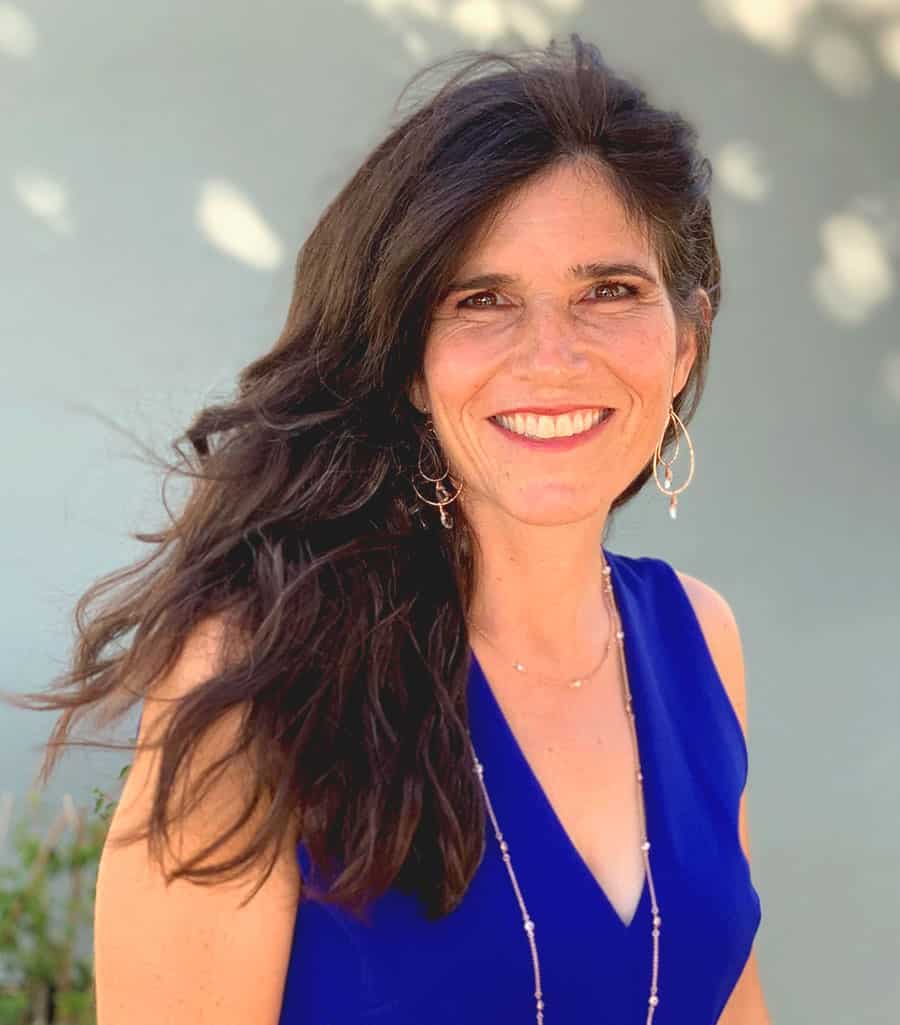
Hi, I’m Julie Matthews, MS
Certified Nutrition Consultant,
Educator, Author, & Published Researcher
I teach parents and practitioners that children with ADHD, anxiety, autism, and other needs can improve and heal, and that there’s hope for your children.
Then I educate and empower you to make strategic personalized nutrition and dietary changes that positively affect children’s bodies, which in turn helps their focus, mood, and behavior. With my unique range of knowledge, from nutrition research and clinical experience to cooking in the kitchen for my own family, I’ve created books, programs, and a much-needed community for parents and practitioners looking to help children with autism – and all children – live happy, healthy lives.
Featured in










Special Diets and Recipes


Kid-Friendly Kitchen Inspiration

Coconut Pancakes (Grain-Free Recipe)
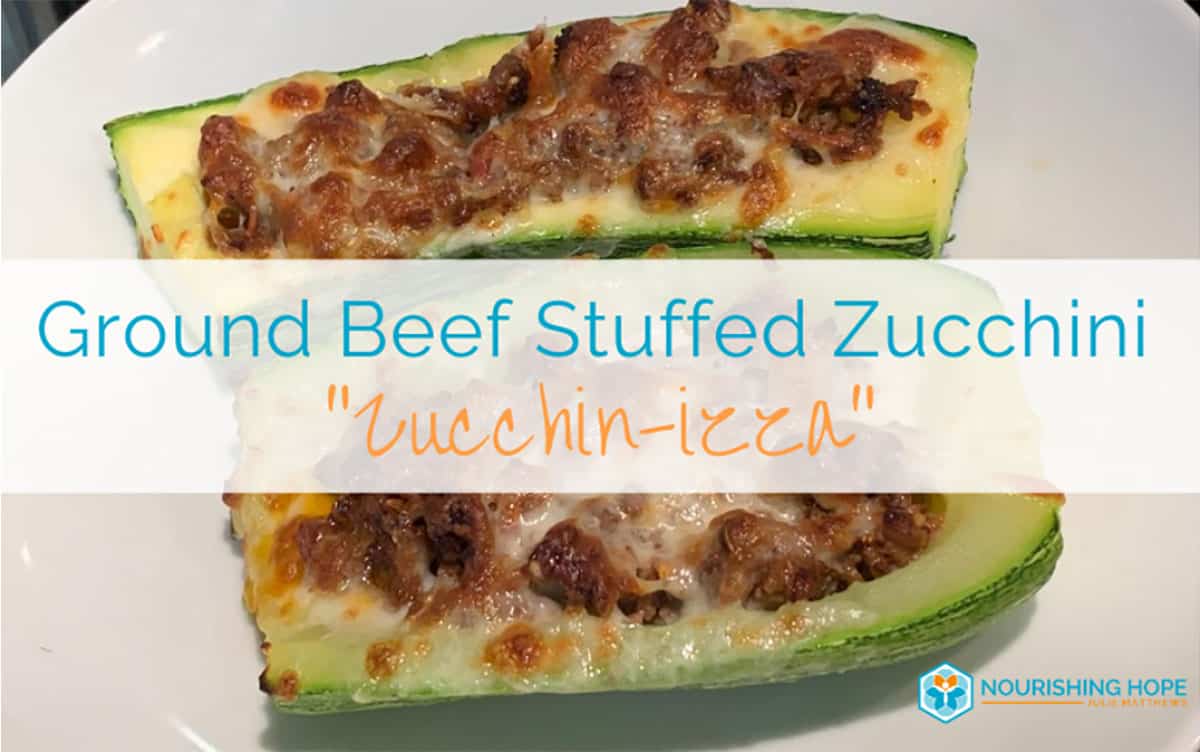
Ground Beef Stuffed Zucchini (Zucchin-izza)
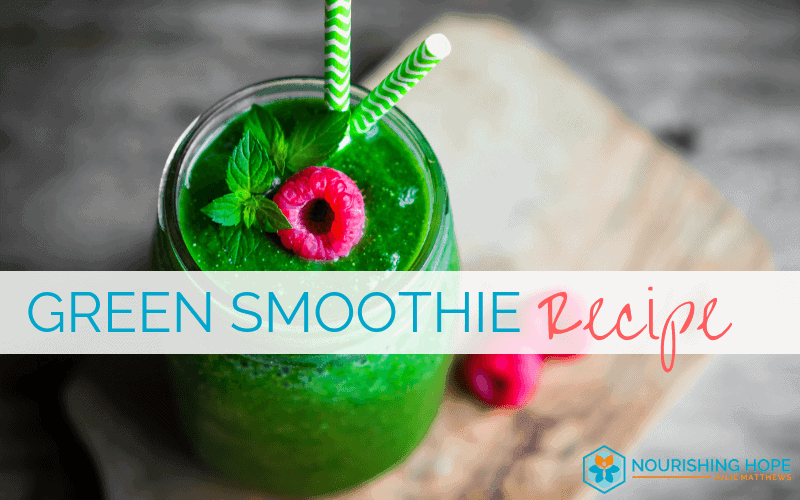
Green Smoothies…. YES, you can! (RECIPE)
The Science Behind Nutrition Intervention
Results of our Published Autism Nutrition Studies
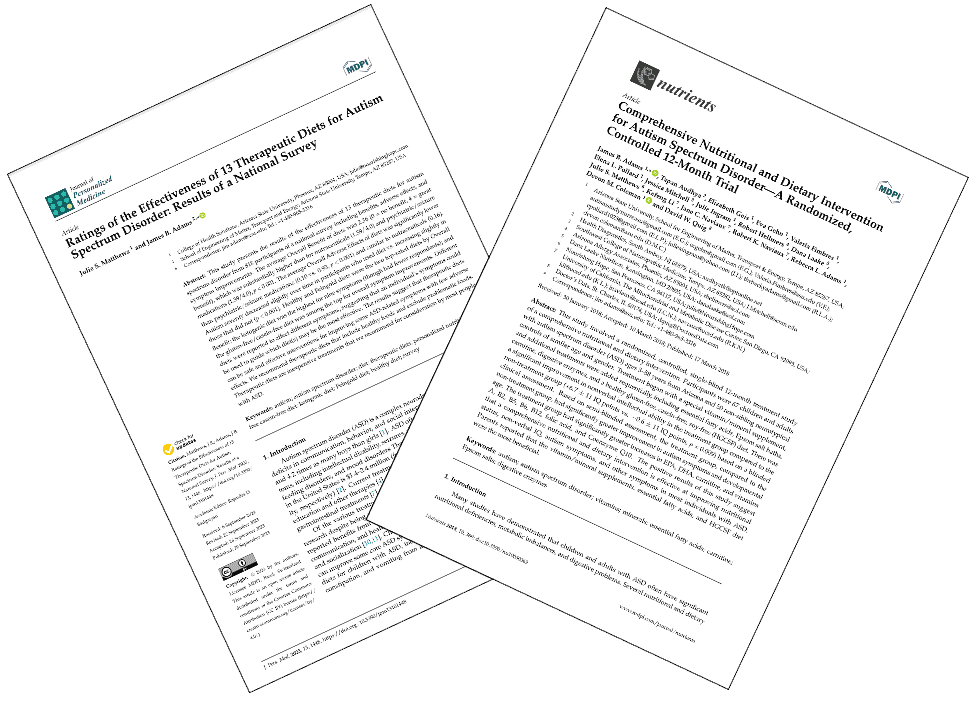
Julie Matthews and Dr. James Adams of Arizona State University have published significant studies demonstrating the effectiveness of diet and nutrition interventions in alleviating symptoms associated with autism.
“Comprehensive Nutritional and Dietary Intervention for Autism Spectrum Disorder—A Randomized, Controlled 12-Month Trial”
- Increased IQ by 6.7 points
- Improved developmental age by 4.5x
- Decreased digestive symptoms
- Reduced anxiety, depression, aggression
- Improved cognitive thinking, attention/focus and sociability
“Ratings of the Effectiveness of 13 Therapeutic Diets for Autism Spectrum Disorder: Results of a National Survey”
- Diets provided overall benefit
- Improved symptoms of autism
- Significantly better than medications
- Ranks diets based on benefits vs adverse effects
- Reports on symptom improvements by diet

Featured Articles
BioIndividual Nutrition & Therapeutic Diets for Children
Take the Frustration Out of Picky Eating

Therapeutic Diets for Gut Healing
Your child is unique and so are their nutritional needs
Learn how personalized nutrition can help your child today
Download our free guide
You’ll also receive our newsletter. You can unsubscribe anytime. For more details, review our privacy policy.
Join our Step-by-Step Program for Parents

Learn to use personalized nutrition
to improve the health, learning, and behavior of your child
“The GFCFSF diet has been the most life-changing. Within a few days, his tics were reduced significantly. The supplements have helped with focus, mood, not being too picky in eating, and regular BM.
The Nourishing Hope Program is working for my son. With diet and lifestyle change, it has helped improve his quality of life. When I tell close friends and family that he has Tourette’s, they are all shocked because they don’t see him ticcing! This has been life-changing! Thank you Julie Matthews!”
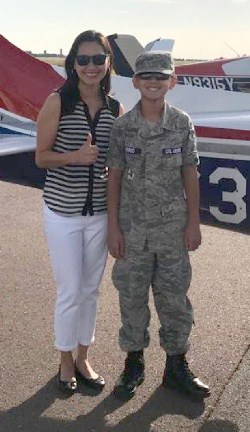 UPDATE!
“Ever since we’ve followed Julie’s program, my son’s quality of life has just kept improving. In fact, since the summer last year, he has flown 5 times with the Civil Air Patrol. He has even sat on the left seat!!! He’s 14 and he’s working on his Private Pilot License.
He himself loves being on the Paleo diet, and he appreciates the changes I’ve made around the house and in our lifestyle. “
– Catherine S.
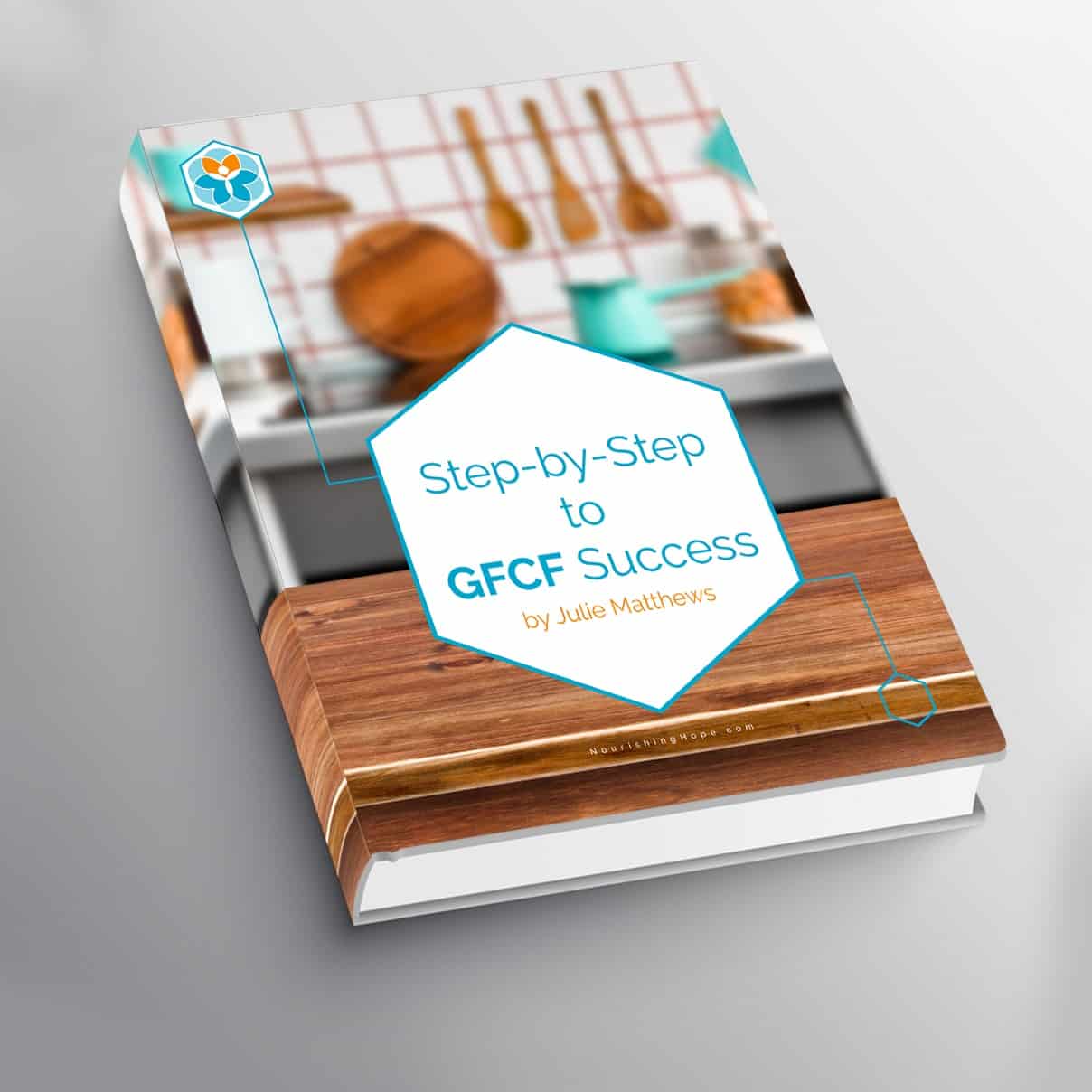
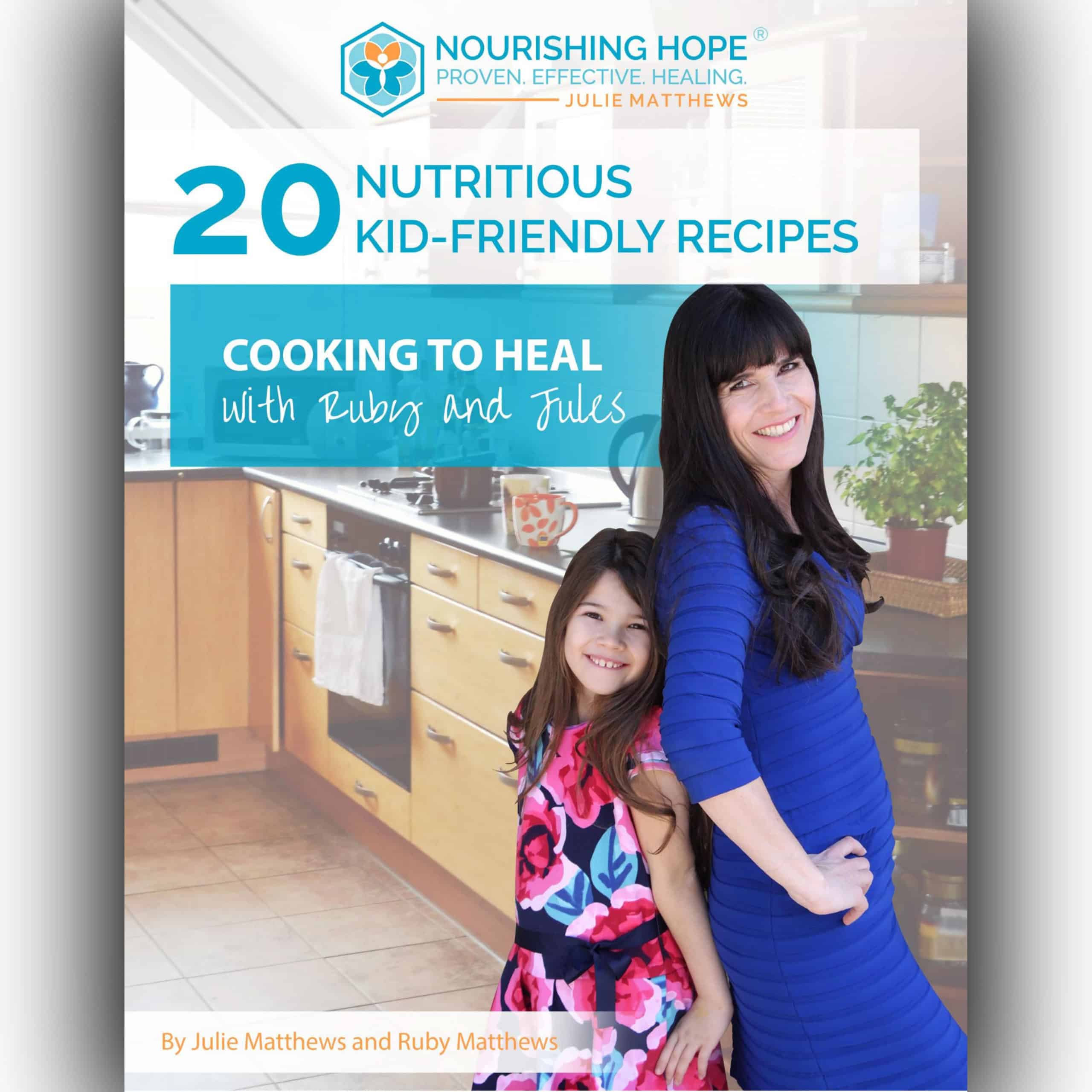
Kid-Friendly Free Resources

Testimonials
“Julie Matthews does a masterful job at breaking down the complexities of therapeutic diets. Her knowledge of nutrition for children with autism is truly unique. She is a great asset to my patients, and the autism community at large.”
“Julie is a gifted nutritionist. She elucidates the biochemical imbalances involved in ASD with a clear understanding of how to use nutrition to correct these imbalances. I encourage parents and practitioners alike to read Nourishing Hope.”
“As an overwhelmed autism mom staring at a long list of food allergies and underlying medical issues for my son, Julie Matthews was an invaluable resource to me and my family. My son is now 17 and recovered from autism.”